Export Processing Zones (EPZs) play an important role in Pakistan's industrial development and international trade. These specialized industrial areas provide infrastructure for businesses involved in manufacturing, processing, packaging, and exporting products to international markets.
From textile and garment manufacturers to engineering, electronics, food processing, and other export-oriented businesses, companies operating in these zones depend on reliable electricity to maintain production efficiency and meet international delivery commitments.
However, electricity expenses, grid instability, and growing sustainability expectations can affect operating costs and competitiveness. Manufacturers need energy systems that support continuous production while helping them manage long-term electricity consumption.
Solar energy offers an opportunity for export-oriented businesses to generate electricity on-site, reduce dependence on grid power, and improve energy cost management. When combined with Battery Energy Storage Systems (BESS), solar can also provide greater flexibility for backup power and energy management.
For industrial businesses searching for the best solar company in Pakistan, Beacon Energy provides renewable energy solutions designed around commercial and industrial electricity requirements.
2. Why Export Processing Zones Need Reliable and Cost-Effective Energy
Export Processing Zones are designed to support industrial investment and export growth. Pakistan's Export Processing Zones Authority oversees the development and operation of these specialized industrial environments, including established zones in Karachi and other locations.
Electricity is essential for maintaining manufacturing operations within these zones. Production machinery, ventilation equipment, compressors, processing systems, packaging lines, lighting, and administrative facilities require dependable power throughout the working day.
For export-oriented manufacturers, electricity costs directly influence production expenses and international competitiveness. Businesses must manage operating costs carefully while maintaining quality standards and meeting customer delivery schedules.
Unexpected power interruptions can create additional difficulties. Production delays, equipment shutdowns, and interrupted processing activities may affect manufacturing efficiency and shipment planning.
Solar energy can help businesses manage their electricity requirements more effectively by generating power during daylight hours. Facilities with suitable rooftops or available land can use solar installations to reduce grid electricity consumption.
However, solar installations within an Export Processing Zone require appropriate site permissions, electrical assessments, and compliance with applicable zone and utility requirements.
Businesses evaluating industrial renewable energy can explore Beacon Energy's Industrial & Commercial Solar Solutions to understand how solar systems can be customized for manufacturing environments.
3. How Solar Energy Supports Export-Oriented Manufacturing
Solar photovoltaic systems generate electricity from sunlight and allow manufacturers to use that power directly for suitable electrical loads.
For businesses operating in Export Processing Zones, solar can support production equipment, material handling systems, ventilation, lighting, cooling equipment, administrative offices, and other electrical requirements.
This reduces the amount of electricity purchased from the grid during solar generation hours and can improve long-term energy cost predictability.
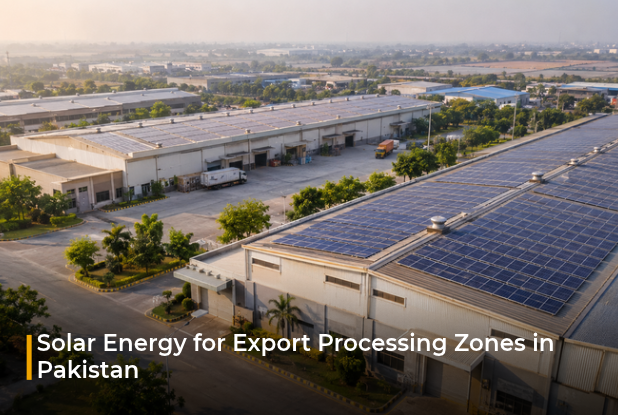
One advantage of industrial solar is its flexibility. Depending on the facility's available space and structural conditions, solar panels can be installed on factory rooftops, warehouses, parking structures, or suitable ground-mounted areas.
Solar self-consumption is particularly important for manufacturers with substantial daytime electricity demand. When production schedules align with solar generation, businesses can use more of their electricity on-site and reduce dependence on grid imports.
The performance of an industrial solar system depends on proper engineering, equipment quality, site conditions, load assessment, and ongoing maintenance.
For businesses comparing the best solar companies in Pakistan, evaluating experience with industrial installations is essential. A reliable energy partner should understand the electrical requirements of manufacturing machinery and the importance of maintaining safe, efficient production operations.
Beacon Energy's industrial solar services are designed to support high-consumption businesses through customized renewable energy systems.
Manufacturers can also review Beacon Energy's project portfolio to explore its experience with commercial and industrial solar installations across Pakistan.
4. The Role of BESS in Export Processing Zone Energy Management
Although solar energy can reduce daytime electricity costs, manufacturers may still require substantial electricity during evening shifts, periods of low sunlight, and unexpected grid interruptions.
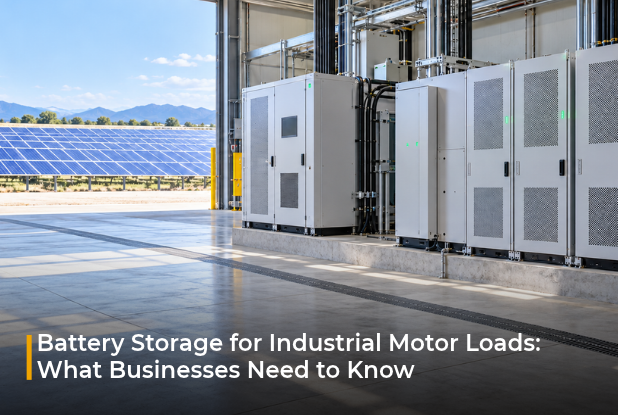
Battery Energy Storage Systems, commonly known as BESS, can help address these requirements by storing electricity and making it available when needed.
When integrated with solar, BESS can store surplus daytime generation for later use. This allows businesses to improve solar self-consumption and manage electricity requirements beyond normal daylight hours.
For export-oriented manufacturers, battery storage can also support selected critical loads during power outages. Depending on the system design, BESS may provide backup for control systems, lighting, communications, monitoring equipment, and appropriately sized industrial machinery.
Another application is peak-demand management. Manufacturing facilities often experience changing electricity requirements as multiple machines and production systems operate simultaneously. A properly designed BESS can discharge stored energy during sustained high-demand periods, helping reduce electricity drawn from the grid.
Battery storage can also complement existing diesel generators and captive power systems. This may reduce generator runtime and improve the flexibility of industrial backup arrangements.
However, BESS capacity and power conversion equipment must be selected according to actual electrical loads, motor startup requirements, backup duration, and operational priorities.
Beacon Energy's Battery Energy Storage Systems offer commercial and industrial energy storage capabilities, including renewable energy integration, intelligent power management, real-time monitoring, and generator support.
For businesses operating across multiple production shifts, combining industrial solar with BESS can support a more flexible and resilient energy strategy.
5. Long-Term Benefits of Solar Energy for Export Processing Zones
Solar energy can provide export-oriented manufacturers with advantages that extend beyond reducing electricity bills.
One important benefit is improved production cost management. Manufacturing businesses competing in international markets must maintain efficient operations, and reducing grid electricity consumption can help control energy-related expenses.
Another benefit is greater energy diversification. By generating electricity on-site, manufacturers can reduce their reliance on conventional electricity sources and strengthen long-term energy planning.
Solar adoption can also support corporate sustainability objectives. International buyers increasingly assess environmental performance, supply chain emissions, and responsible manufacturing practices when selecting suppliers.
Using renewable electricity may help export-oriented businesses reduce emissions associated with purchased grid power and demonstrate progress toward cleaner production.
This can be particularly relevant for textile, garment, engineering, food processing, and other manufacturing businesses serving international customers.
Solar installations also create opportunities for smarter energy management. Modern monitoring systems allow facility managers to track solar generation, electricity consumption, and equipment performance.
By reviewing this information, businesses can identify inefficiencies, improve maintenance planning, and make more informed energy decisions.
For industrial facilities, ongoing maintenance is important because dust, heat, environmental conditions, and equipment wear can affect solar generation.
Beacon Energy's support services provide monitoring and technical assistance to help businesses maintain reliable system performance.
Manufacturers can also explore Beacon Energy's renewable energy insights to learn more about commercial solar, battery storage, and industrial energy efficiency.
6. Beacon Energy: Industrial Solar and BESS Solutions for Export Businesses
Export-oriented businesses require energy systems designed around production schedules, machinery requirements, site conditions, and long-term operational goals.
A successful industrial solar project begins with a detailed assessment of electricity consumption, available installation space, grid connectivity, and the facility's existing electrical infrastructure.
For businesses operating within Export Processing Zones, project planning should also account for applicable regulatory approvals, zone management requirements, and electricity connection arrangements.
Beacon Energy provides renewable energy solutions for commercial and industrial customers seeking improved electricity cost management, energy reliability, and sustainable operations.
Through its Industrial & Commercial Solar Solutions, Beacon Energy supports businesses in adopting customized solar systems designed for high-consumption environments.
Its Battery Energy Storage Systems provide additional opportunities for energy storage, backup power, peak-load management, and integration with existing electrical infrastructure.
For manufacturers searching for the best solar company in Pakistan, selecting a provider with relevant industrial experience, technical expertise, and long-term support capabilities is essential.
Beacon Energy's project portfolio highlights renewable energy installations across textiles, manufacturing, beverages, healthcare, and other commercial and industrial applications.
Businesses can also learn more about the company's experience through the About Beacon Energy page and explore practical renewable energy information through the Beacon Energy blog.
As Pakistan continues to develop its export-oriented manufacturing sector, solar energy can become an important part of improving energy efficiency, supporting sustainability, and strengthening industrial competitiveness.
By combining properly designed solar systems with intelligent monitoring and suitable battery storage, export businesses can move toward more efficient, reliable, and future-ready energy infrastructure.
Looking for industrial solar and battery storage solutions for your export-oriented business? Explore Beacon Energy's Industrial & Commercial Solar Solutions, discover its BESS technology, or contact Beacon Energy to discuss an energy system tailored to your manufacturing facility.